
Introduction: If you've lived in Carlisle or anywhere in Central PA long enough, you know our weather doesn't mess around. Summer thunderstorms roll through with lightning that lights up the sky, winter ice storms knock out power lines, and those spring storms? They can be downright unpredictable. What you might not realize is that every one of those weather events puts your home's electrical system: and everything plugged into it: at serious risk.
A whole house surge protector is your home's first line of defense against electrical surges that can fry expensive electronics, damage appliances, and even create fire hazards. But with new electrical codes, changing technology, and plenty of misinformation out there, it's worth understanding what these devices actually do and why they matter for your Carlisle home.
Let's dive into the ten most important things you need to know before the next storm rolls through Cumberland County.
1. It's Now Required by Code for New Electrical Work
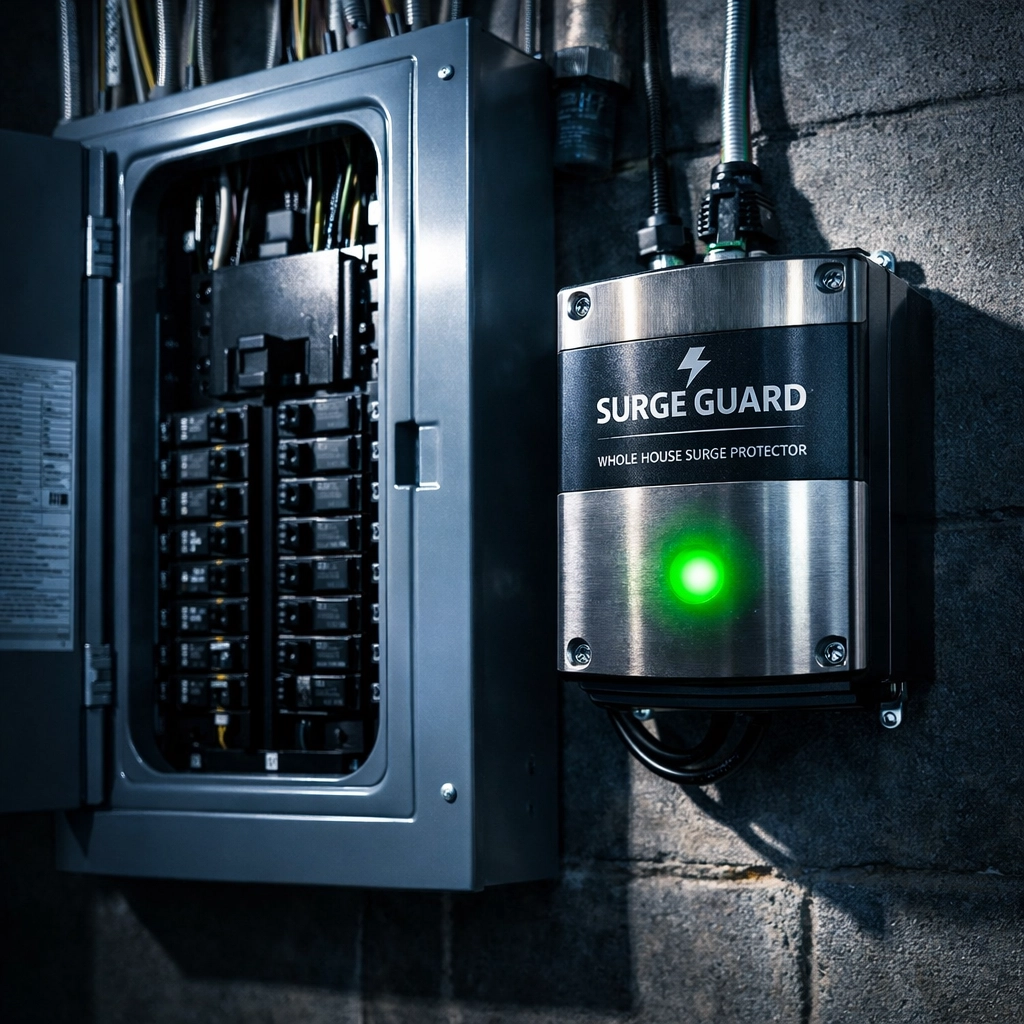
Here's something many Pennsylvania homeowners don't realize: whole house surge protection isn't optional anymore for certain situations. The 2020 National Electrical Code now requires surge protective devices (SPDs) for all new residential electrical services and service replacements.
If you're building a new home, upgrading your electrical panel, or replacing your service, your electrician Carlisle PA will need to install surge protection to meet code requirements. This isn't just bureaucratic red tape: it's a recognition of how vulnerable modern homes are to electrical damage and how cost-effective protection has become.
2. Central PA Storms Create Unique Electrical Risks
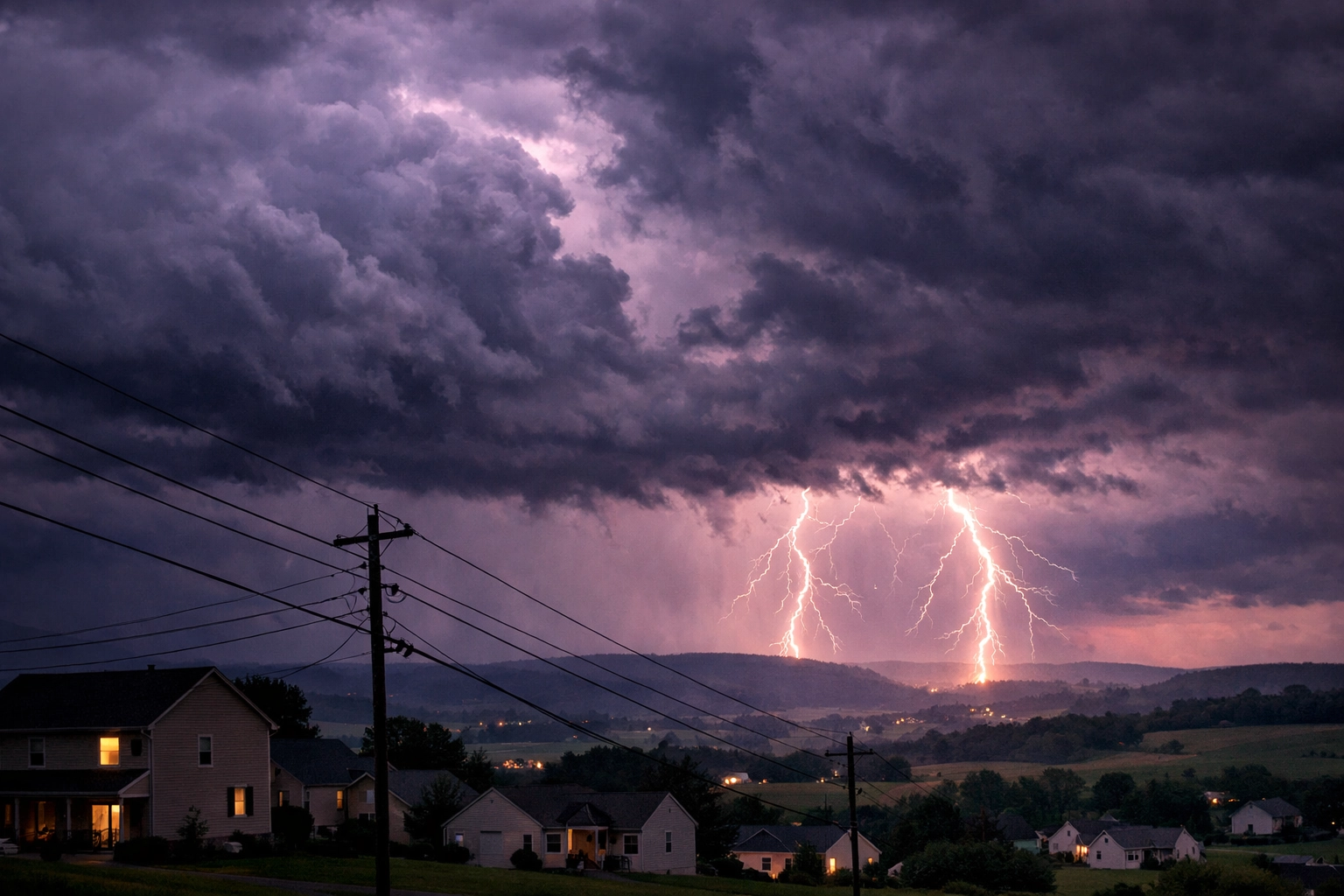
Carlisle sits in a perfect storm zone, literally. We get powerful thunderstorms in summer, ice accumulation in winter, and high winds throughout spring and fall. Each of these weather patterns creates different electrical hazards for your home.
Lightning strikes near power lines send massive voltage spikes through the grid. Ice storms cause tree limbs to fall on transformers, creating power surges when electricity is restored. Even strong winds that knock branches into lines can send fluctuations through your home's wiring. Pennsylvania's weather variety means your electrical system faces year-round surge risks that homeowners in more stable climates don't deal with.
3. Most Surges Actually Come From Inside Your Home
Here's a surprise: only about 20% of power surges originate from external sources like lightning strikes and utility issues. The other 80% happen right inside your home when high-powered appliances cycle on and off.
Your HVAC system, refrigerator, washing machine, and even your microwave create small voltage spikes every time they kick on. Over time, these internal surges gradually degrade sensitive electronics and shorten the lifespan of your appliances. A whole house surge protector addresses both external threats from storms and these everyday internal fluctuations that slowly damage your equipment.
4. Type 1 vs Type 2: Understanding Your Protection Options
When you start shopping for surge protection, you'll encounter two main categories: Type 1 and Type 2 surge protective devices. Understanding the difference helps you make the right choice for your Carlisle home.
Type 1 SPDs install at your meter base or before your main disconnect breaker. They're the first line of defense against external surges from the power grid and lightning strikes. Think of them as security guards at the front gate: they stop problems before they even enter your home's electrical system.
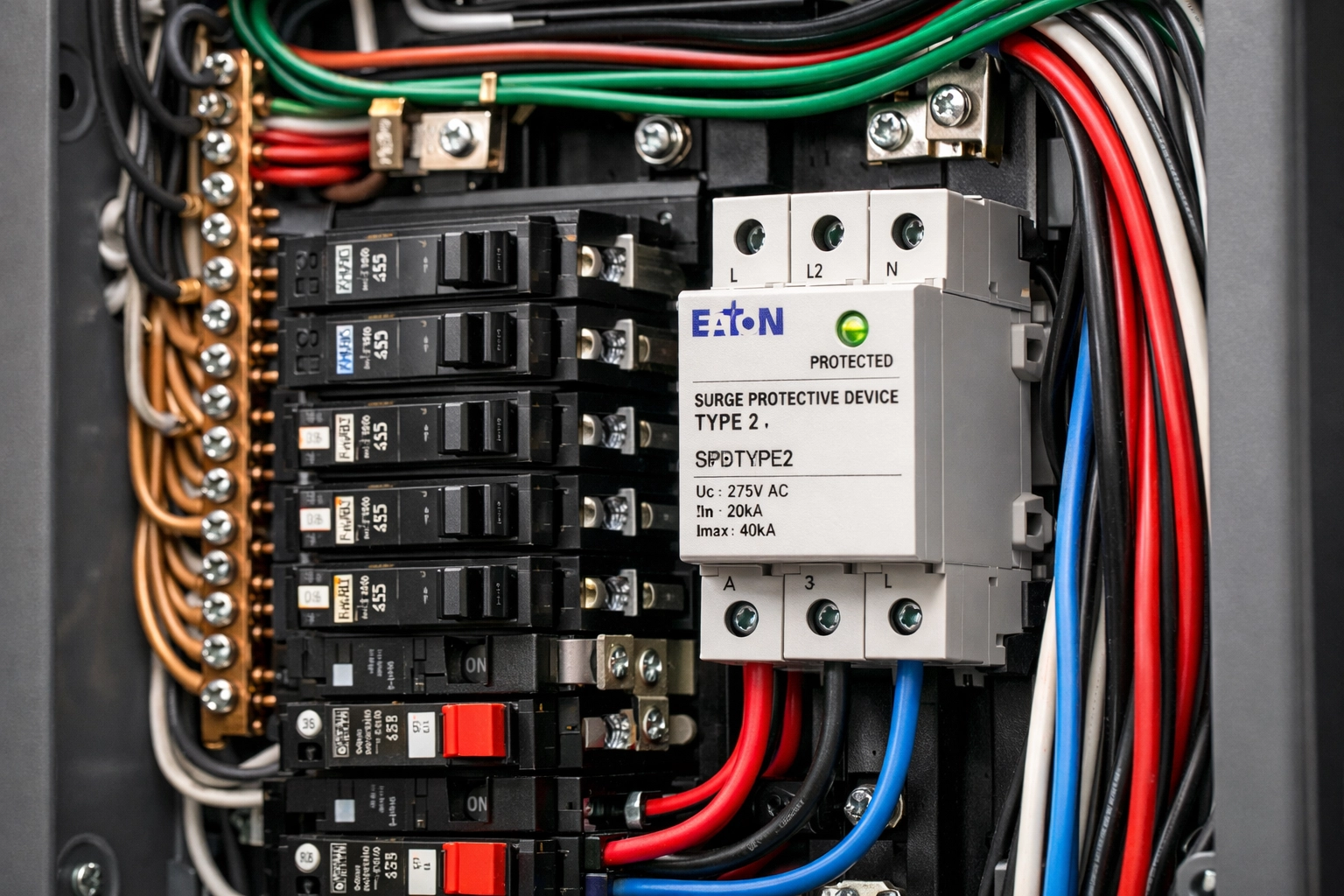
Type 2 SPDs install directly on your main electrical panel inside your home. They primarily protect against internal surges from your appliances and any temporary power sources like generators. These are more common and typically what electricians install for standard residential protection.
For the best protection, some homeowners choose both: creating multiple layers of defense against different surge sources.
5. It Protects Way More Than Just Your Entertainment System
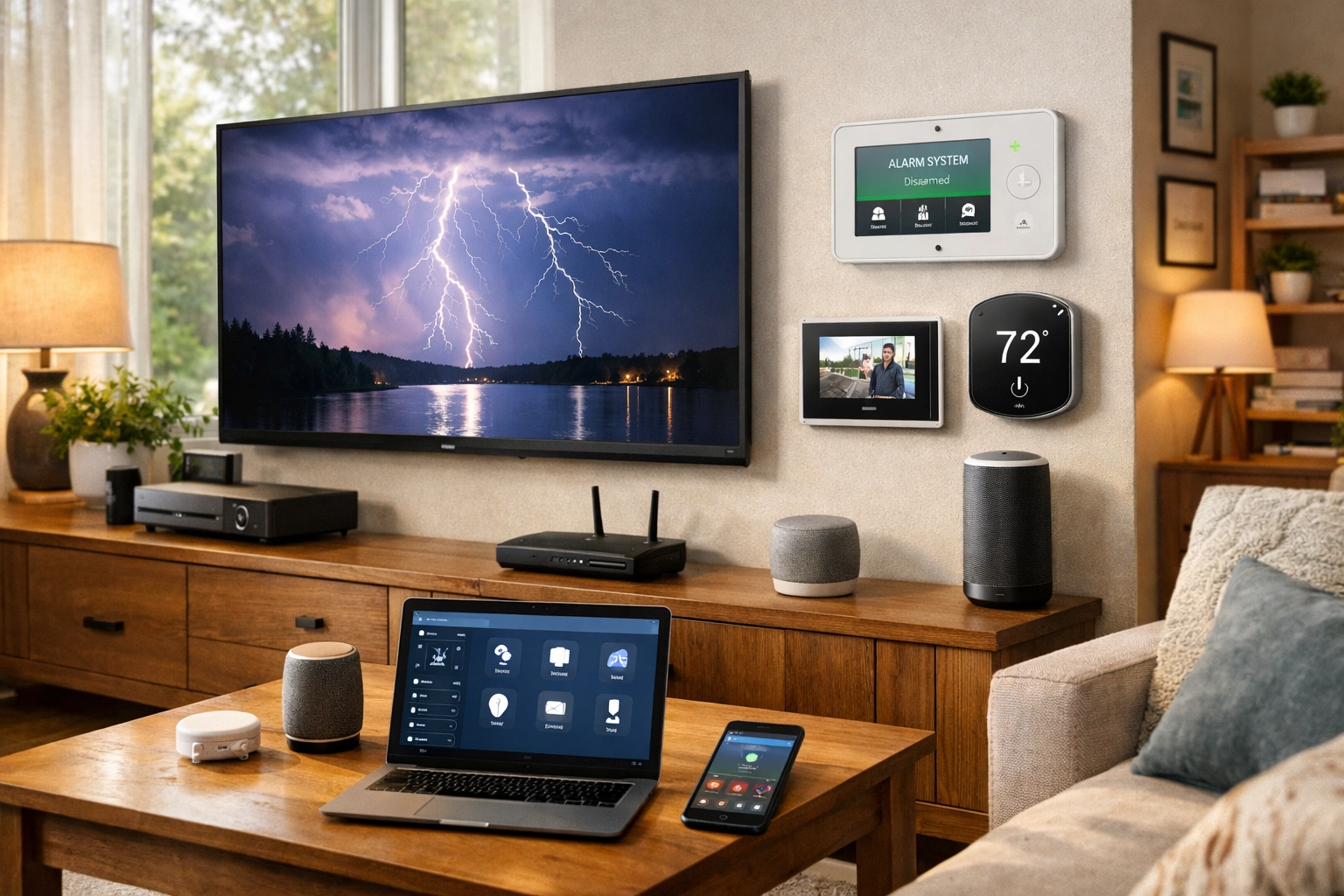
When most people think about surge protection, they picture their big-screen TV or computer. But modern homes contain dozens of electrical systems that are vulnerable to voltage spikes and just as expensive to replace.
Your HVAC system has sensitive control boards that can cost thousands to repair. Security systems, smart home devices, garage door openers, and even your doorbell camera all contain microprocessors that electrical surges can damage. Your refrigerator, washer, dryer, and dishwasher all have computerized controls now. One major surge event can cause damage throughout your entire home: not just to the obvious electronics.
6. Power Strips Aren't Enough (And Here's Why)
Many Carlisle homeowners rely on those plug-in surge protector power strips for their expensive electronics. While these provide some protection, they're designed for small, everyday fluctuations: not the major surges that come from lightning strikes or grid issues.
A whole house surge protector installed at your electrical panel protects every outlet, light fixture, and hardwired appliance in your home simultaneously. You're not dependent on remembering to plug things into the "right" outlet or hoping that $20 power strip actually works when you need it. Plus, many plug-in surge protectors degrade after one major event without any visible warning that they've stopped working.
7. Installation Must Meet Specific NEC Requirements
The electrical code isn't just picky about whether you have surge protection: it's also specific about how and where it gets installed. An SPD must be installed as an integral part of equipment or located immediately adjacent to your electrical service.
This is one reason why hiring a qualified electrician in Carlisle PA matters. Proper installation ensures the device actually works when you need it and doesn't create additional electrical hazards. Poor installation can void warranties, fail inspections, and leave your home unprotected even though you spent money on the device.
8. They Don't Last Forever: And That's Normal
Here's something surge protector manufacturers don't advertise prominently: these devices eventually wear out. Every time an SPD absorbs a surge, it sacrifices a bit of itself to protect your home's electrical system and everything connected to it.
Most whole house surge protectors include indicator lights that show when they're working properly. Checking these lights periodically: maybe when you change your smoke detector batteries: helps ensure your protection is still active. When the indicator shows the device is no longer protecting your home, it's time for replacement. Think of it like a car's airbag: you hope you never need it, but when you do, you want it working.
9. Layered Protection Provides the Best Defense
While a whole house surge protector at your main panel provides excellent general protection, some electrical systems in your home might benefit from additional dedicated protection. This approach is called "layered protection," and it's becoming more common in Pennsylvania homes with extensive electronics or sensitive systems.
Security systems, whole-home audio/video networks, and home automation systems sometimes warrant their own surge protection at specific circuits. Medical equipment, home offices with expensive computers, and entertainment centers with multiple connected devices might also benefit from this extra layer. Your electrician can help you identify which systems in your home might need this enhanced protection level.
10. Professional Installation Protects Your Investment
Installing a whole house surge protector isn't a DIY weekend project. It requires working inside your main electrical panel: one of the most dangerous places in your home. The panel contains live electrical connections that can deliver fatal shocks even when the main breaker is off.
Beyond the safety concerns, professional installation ensures proper grounding, correct device sizing for your home's electrical service, and compliance with local electrical codes. Many surge protector warranties require professional installation by a licensed electrician. When you're protecting thousands of dollars worth of appliances and electronics, spending a few hundred dollars on proper installation is money well spent.
Making the Right Decision for Your Carlisle Home
Understanding whole house surge protection helps you make informed decisions about protecting your home's electrical systems. Whether you're required to install surge protection due to electrical work you're planning or you simply want to safeguard your investment in appliances and electronics, knowing these ten factors puts you in a better position to choose the right solution.
Central PA's weather patterns aren't going to become more predictable anytime soon. The next thunderstorm, ice storm, or power fluctuation could happen tomorrow: or it could happen next month. What matters is being prepared before it happens, not scrambling to replace damaged equipment after.
If you're considering whole house surge protection for your Carlisle home, talking with a qualified electrician who understands local conditions and current code requirements is your best first step. They can assess your home's specific needs, recommend the right type of protection, and ensure installation that keeps your home safe for years to come.
