
Introduction: If you've recently purchased a Tesla or another electric vehicle, you're probably excited to get your home charging setup installed. You might be tempted to tackle the installation yourself to save money, after all, there are YouTube tutorials and DIY guides everywhere. But before you grab your wire cutters and head to your electrical panel, let's talk about what Pennsylvania's electrical code actually requires in 2026 and why this isn't your typical weekend DIY project.
Why Can't I Just Plug It In Like Any Other Appliance?
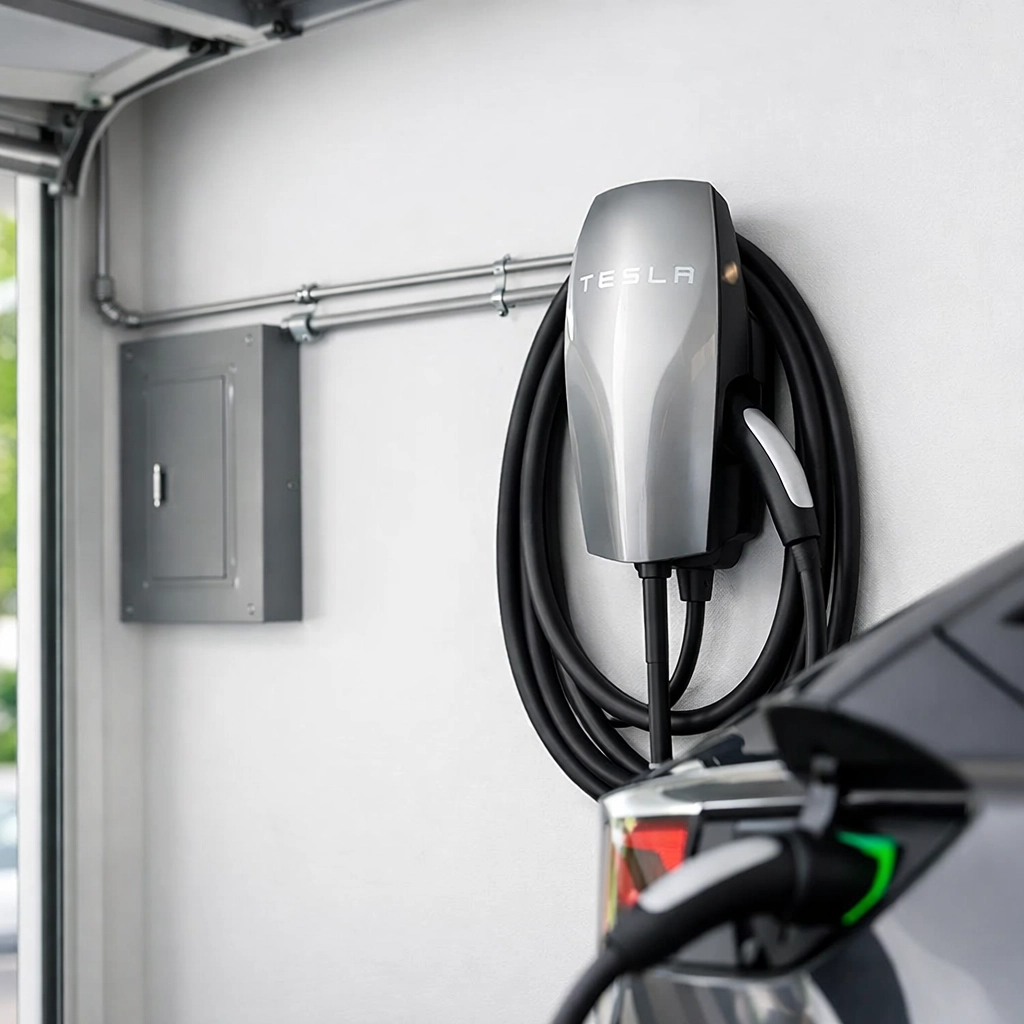
Here's the thing: your Tesla charger isn't like plugging in a toaster or even a window air conditioner. A Level 2 EV charger, the kind most homeowners install in their garages, requires a dedicated 240-volt circuit that can handle continuous loads of 40 to 60 amps. For comparison, your entire kitchen might only be on a 20-amp circuit.
This means you're dealing with serious electrical work. You'll need to install a new circuit breaker in your main panel, run conduit from the panel to your garage or charging location, pull properly sized wiring through that conduit, and make connections that will safely handle high-amperage loads for hours at a time. Pennsylvania electrical code requires that all of this work meets current National Electrical Code (NEC) standards, and those standards exist for a reason.
What Does Pennsylvania's Electrical Code Require in 2026?
Pennsylvania adopts the National Electrical Code with some local amendments, and here's what matters for your EV charger installation. First, you'll need a permit, period. Most municipalities in Central Pennsylvania require a permit for any electrical work that involves adding new circuits or modifying your service panel.
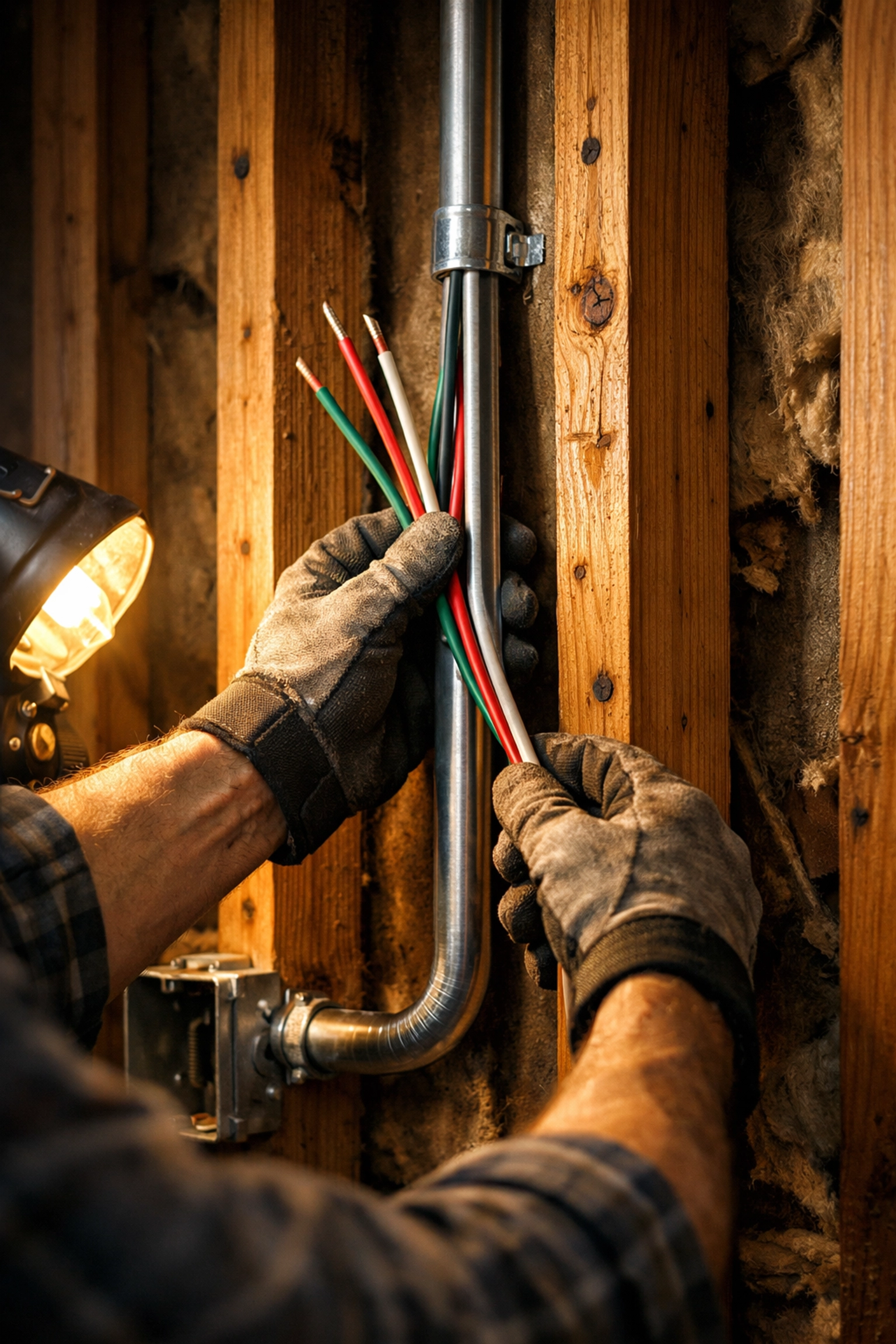
The code requires proper wire sizing based on your charger's amperage rating. Most Tesla Wall Connectors need a 60-amp circuit breaker with 6 AWG copper wire or 4 AWG aluminum wire. The circuit must be dedicated, meaning nothing else can be on that circuit. You'll also need proper grounding, appropriate conduit based on your installation location (EMT, PVC, or rigid metal conduit depending on whether it's exposed or buried), and all connections must be made in approved junction boxes.
Here's what catches most DIYers off guard: the work must pass inspection. Even if you think you did everything right, a licensed electrical inspector needs to verify your installation meets code before you can legally use it. If it fails inspection, you'll need to make corrections and pay for a re-inspection.
What Are the Real Safety Risks of DIY Installation?
Let's be direct about what can go wrong. Improper electrical work doesn't just create minor inconveniences, it creates genuine hazards. An incorrectly sized circuit breaker won't trip when it should, leading to overheated wires inside your walls. Loose connections create arc faults, which are a leading cause of electrical fires. Poor grounding can turn your vehicle's metal body into a shock hazard.
Pennsylvania's cold winters and humid summers add another layer of complexity. Temperature fluctuations cause electrical connections to expand and contract. If your connections aren't properly torqued to manufacturer specifications, they can loosen over time. That loose connection creates resistance, which generates heat, which can ignite surrounding materials.
Consider this: your Tesla charger will draw maximum current for hours while your vehicle charges overnight. Unlike most appliances that cycle on and off, EV chargers create sustained, continuous loads. Any weakness in your installation will be exposed under these demanding conditions. One homeowner in Harrisburg thought he installed his charger correctly, only to have his circuit breaker trip repeatedly, and when an electrician inspected it, they found the wiring was overheating inside the walls.
Will DIY Installation Void Your Warranty?
Here's something that doesn't get enough attention: both Tesla and your homeowner's insurance have opinions about DIY electrical work. Tesla's warranty on the Wall Connector specifies that installation must comply with local electrical codes. If your DIY installation doesn't meet code and the charger fails, Tesla may deny warranty coverage.
Your homeowner's insurance is even more particular. Most policies require that electrical work be performed by licensed professionals. If a fire starts because of improper wiring and the insurance company discovers you did the work yourself without permits, they can deny your claim entirely. That means you're on the hook for tens or hundreds of thousands of dollars in damages.
Pennsylvania law requires that anyone performing electrical work for compensation must hold a valid electrical contractor's license. While the law technically allows homeowners to work on their own properties, any work must still meet code and pass inspection. The real question is: can you afford the consequences if something goes wrong?
What Makes Professional Installation Worth the Investment?
When you hire a licensed electrician like our team at Hurley Electric, you're not just paying for someone to connect wires. You're getting someone who understands load calculations, knows whether your existing service panel can handle the additional circuit, and can identify potential problems before they become expensive failures.
A professional will assess your electrical panel's capacity. Many older Pennsylvania homes have 100-amp or 150-amp services that are already running close to capacity. Adding a 60-amp EV charging circuit might require a service upgrade, and that's something you want to know before you start drilling holes in your garage wall. We can calculate your home's total electrical load, determine whether an upgrade is necessary, and handle the entire project from permit application to final inspection.
Licensed electricians also carry insurance. If something goes wrong during or after installation, you're protected. Compare that to DIY work where any damage or injury is entirely your responsibility.
What About the Permit Process in Central Pennsylvania?
Let's walk through what's actually involved in getting a permit for EV charger installation in Pennsylvania. You'll need to submit detailed plans showing the circuit path, wire sizes, breaker rating, and installation location. The building department reviews these plans to ensure code compliance before issuing your permit.
Once you complete the work, you'll schedule an inspection. The inspector will check your panel connections, verify wire sizing, test grounding, examine your conduit installation, and ensure all boxes and fittings are properly installed. In our experience across Central Pennsylvania, from Carlisle to Harrisburg to Hershey, inspection standards are strict and inspectors know exactly what to look for.
Here's the reality: if you've never pulled a permit before, the process can be confusing and time-consuming. Different municipalities have different requirements and submission procedures. A licensed electrical contractor handles this routinely and knows exactly what each municipality expects.
Can Your Current Electrical Panel Handle an EV Charger?
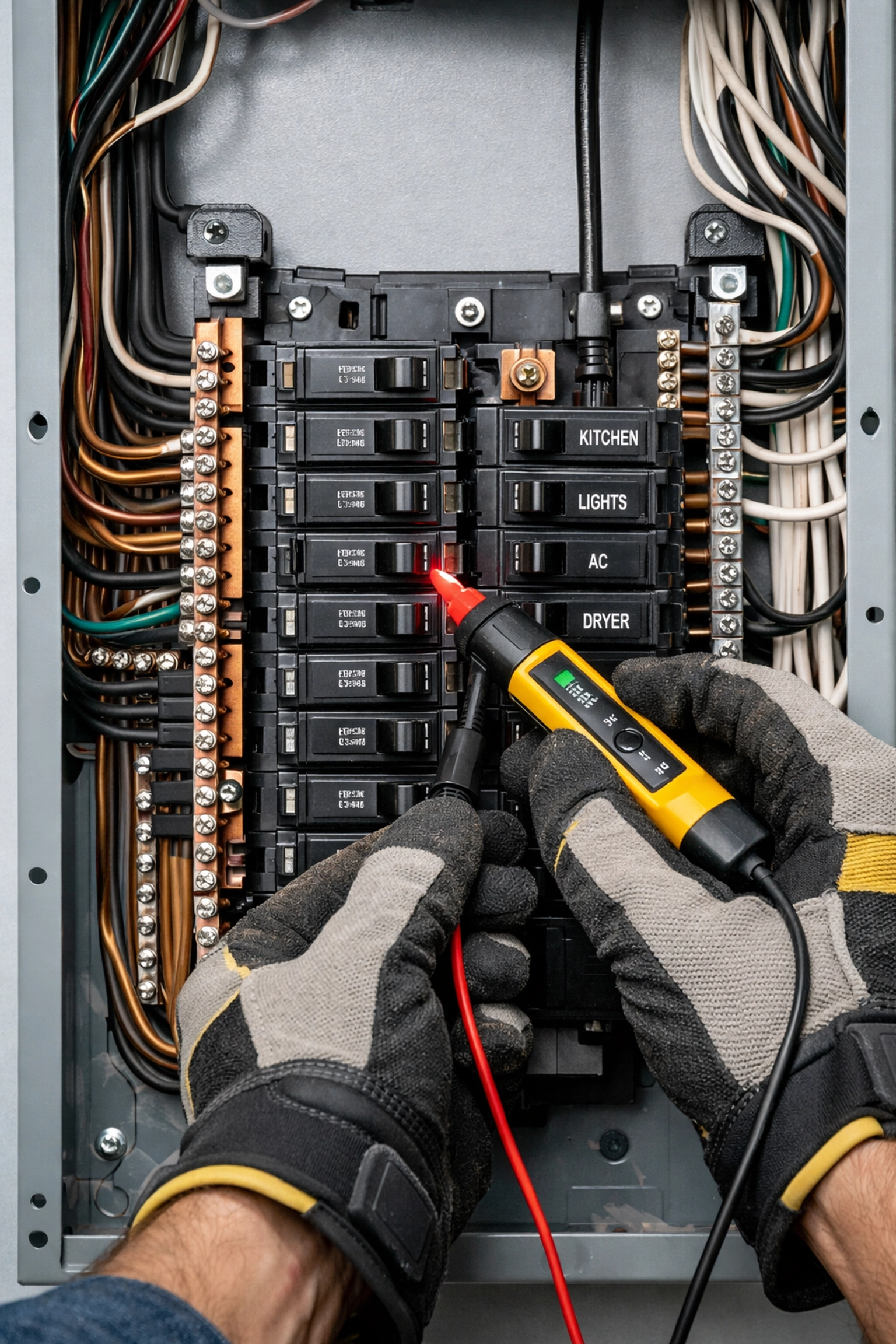
This is where many DIY projects hit a wall, literally. Your electrical panel has a maximum capacity, and adding a 60-amp circuit for an EV charger is a significant load. If your panel is already near capacity, adding this circuit could overload your system.
Professional electricians perform load calculations to determine your panel's available capacity. We look at your existing circuits, calculate your home's actual and potential electrical demand, and determine whether your service can safely accommodate the additional load. In older Pennsylvania homes, we often find that panel upgrades are necessary before EV charger installation.
The good news? Upgrading your panel isn't just about accommodating your Tesla charger. It's an investment in your home's electrical infrastructure that adds value and supports future electrical needs.
What Does Professional Installation Actually Cost?
Let's talk numbers. Professional Tesla charger installation in Central Pennsylvania typically ranges from $1,200 to $2,500, depending on factors like distance from your panel, whether you need a service upgrade, and the complexity of the installation. Yes, that's more expensive than buying wire and a breaker at the hardware store.
But consider what you're getting: proper load calculations, correctly sized materials, code-compliant installation, permit handling, inspection coordination, warranty protection, and peace of mind. When you factor in the cost of materials, tools you might need to buy, permit fees, and the value of your time, the price difference narrows considerably.
And if something goes wrong with DIY installation: a failed inspection requiring rework, damage to your electrical panel, or worse, a fire: the cost of "saving money" can become astronomical.
How Long Does Professional Installation Take?
For most straightforward installations where your panel has adequate capacity and the charger location is relatively close to your panel, professional installation typically takes 4 to 6 hours. That includes running conduit, pulling wire, making panel connections, installing the charger, and testing everything thoroughly.
If your installation requires a service upgrade or the run from your panel to the garage is particularly long, it might take longer or require scheduling work over two days. Either way, you're looking at having your charger installed and operational within a week of scheduling: often sooner during slower periods.
Compare that to a DIY project where you're learning as you go, might make mistakes requiring rework, and need to coordinate inspection scheduling yourself. The time savings alone often justify professional installation.
Why Pennsylvania Homeowners Choose Professional Installation
Pennsylvania's weather creates unique electrical challenges. Our freeze-thaw cycles affect outdoor conduit installations. Our humid summers can create condensation issues in electrical boxes. Licensed electricians understand these regional factors and install systems that stand up to Pennsylvania's climate.
Working throughout Central Pennsylvania, we've seen what happens when homeowners attempt complex electrical work themselves. The most common issues? Undersized wire, improper connections, incorrect breaker sizing, and poor grounding. Each of these creates safety hazards that might not be immediately apparent but will eventually cause problems.
When you work with our team, you're choosing safety, code compliance, and warranty protection. You're also supporting local businesses and ensuring the work is done right the first time.
Making the Smart Choice
Your Tesla represents a significant investment in transportation technology. Your home's electrical system deserves the same level of professional attention. While DIY installation might seem appealing, the risks: from code violations to safety hazards to voided warranties: simply aren't worth the modest savings.
Professional installation ensures your charging system is safe, reliable, and code-compliant. It protects your home, your vehicle, and your family. And in Pennsylvania, where electrical inspectors take code compliance seriously, it's the smart choice for homeowners who want peace of mind along with their EV charging convenience.
