
Introduction: Understanding What the 2026 NEC Code Really Means for Your Home
You've probably heard buzz about the 2026 National Electrical Code (NEC) changes, and if you're like most Pennsylvania homeowners, you're wondering: "Do I need to upgrade my electrical panel?" The short answer might surprise you, probably not, at least not immediately. But understanding what's actually changing can help you make informed decisions about your home's electrical system and when an upgrade makes sense for safety, functionality, and property value.
Let's clear up the confusion and dive into what these code changes actually mean for existing homes in Central PA.
What's Actually Changing in the 2026 NEC?
The 2026 NEC introduces several technical updates focused on safety and modernization. However, here's the critical part most homeowners need to understand: these changes don't retroactively apply to existing electrical systems.
The new code includes expanded arc flash labeling requirements, clarified working space measurements around electrical equipment, and new protection standards for wiring beneath roof decking. It also addresses modern needs like expanded capacity for electric vehicle charging and solar installations.
But if your electrical panel is just sitting there doing its job without any modifications, you're not required to upgrade it simply because the calendar flipped to 2026. The NEC operates on a "grandfathering" principle, your existing system can remain as-is until you start making changes to it.
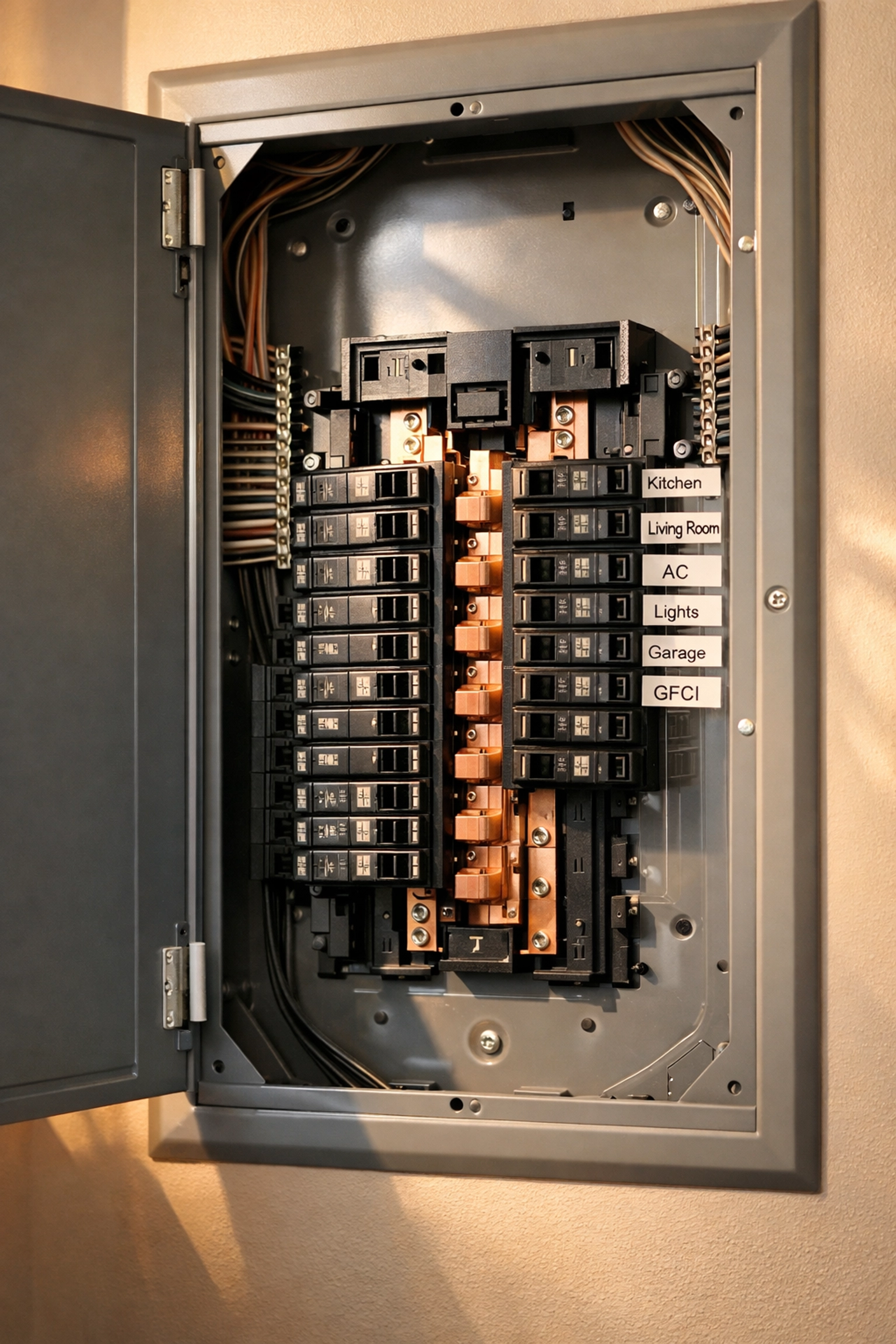
Do Existing Homes Need to Upgrade Immediately?
Here's where homeowners get confused, and it's worth spelling out clearly: No, the 2026 NEC does not require you to upgrade your existing electrical panel just because the code changed.
Your current panel can continue operating under the code standards that were in effect when it was installed. Whether your panel was installed in 1985, 2005, or 2020, it's legally compliant as long as you're not actively modifying it.
You can even perform certain work without triggering upgrade requirements. According to the 2026 clarifications, you can change your meter, meter enclosure, raceway, and service conductors without needing to bring your entire panel up to 2026 standards. This matters for Pennsylvania homeowners who might need utility-related work done but aren't planning major electrical renovations.
When Does Your Home Actually Need an Upgrade?
The upgrade requirements kick in when you start replacing the service panel itself. Once you begin that work, your new installation must comply with current 2026 NEC standards.
Let's explore when you might actually need or want an electrical panel upgrade:
You're Adding Major Electrical Loads
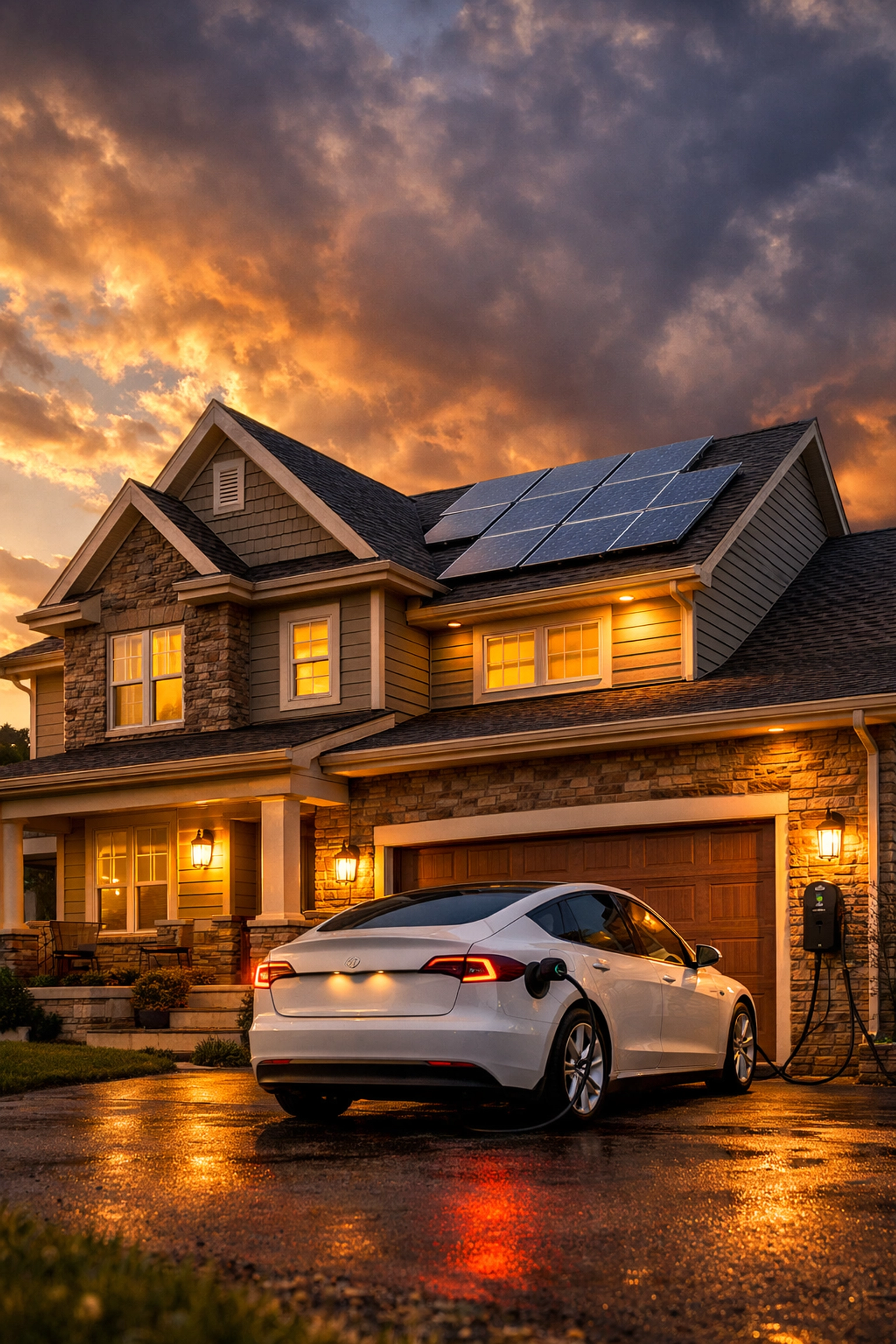
Planning to install an EV charger for your new electric vehicle? Adding a whole-house generator? Installing solar panels? These additions often require substantial electrical capacity that older panels simply can't handle. A 100-amp panel that worked fine for decades might not cut it when you're adding a 50-amp EV charger and want to run your air conditioning simultaneously.
Your Panel Is Outdated or Unsafe
If your home still has a Federal Pacific Electric (FPE) or Zinsco panel: both known for safety issues: an upgrade isn't just recommended, it's essential. These panels have documented failure rates that pose fire risks. Similarly, if you have an old fuse box instead of circuit breakers, upgrading to a modern panel significantly improves safety and functionality.
You're Doing Major Renovations
Planning a kitchen remodel or finishing your basement? If your renovation work involves significant electrical modifications to the service panel area, you'll need to comply with current code standards. This is where the 2026 requirements would apply.
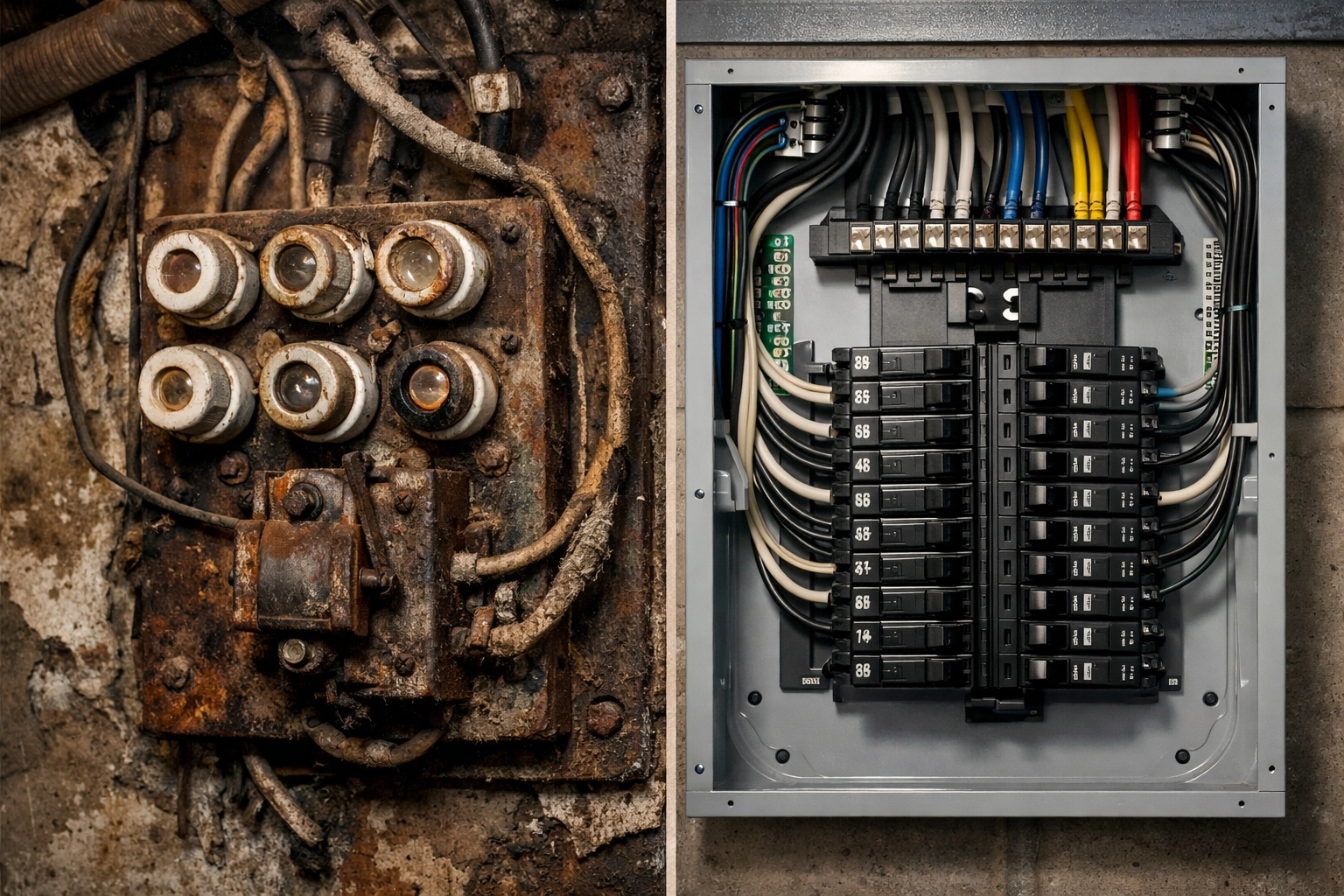
Why Consider an Upgrade Even If It's Not Required?
Here's where understanding the code versus understanding your actual needs diverge. Just because you're not legally required to upgrade doesn't mean it's not worth considering, especially for Pennsylvania homeowners dealing with our state's unique challenges.
Safety Improvements
Modern panels include ground fault circuit interrupters (GFCIs), arc fault circuit interrupters (AFCIs), and surge protection features that older panels lack. Pennsylvania's unpredictable weather: from summer thunderstorms to winter ice storms: can create electrical surges that damage electronics and appliances. A modern panel with built-in surge protection can save you thousands in replacement costs.
Increased Capacity
Many homes in Central PA were built when electrical demands were a fraction of what they are today. Between computers, smart home devices, electric vehicle chargers, and modern appliances, today's homes need significantly more power. If you're regularly resetting tripped breakers, your panel is telling you it's time for an upgrade.
Preventing Insurance Issues
Some insurance companies are becoming increasingly hesitant about covering homes with outdated electrical systems. While they can't force you to upgrade based solely on code changes, having a modern, code-compliant panel can make getting coverage easier and potentially lower your premiums.
How Does an Outdated Panel Affect Your Home Value?
Let's talk about the financial side of electrical panel upgrades, because whether you're planning to sell soon or thinking long-term, your panel affects your home's value.
During Home Inspections
When selling your home, buyers' inspectors will flag outdated or insufficient electrical panels. A 100-amp panel in a 2,500-square-foot home with modern appliances will raise red flags. Buyers may request an upgrade as a condition of sale, negotiate a lower price, or walk away entirely. An electrical panel upgrade before listing can prevent these complications and make your home more attractive to buyers.
Appraisal Considerations
Appraisers evaluate homes based on comparable properties. If similar homes in your Pennsylvania neighborhood have modern 200-amp panels with proper capacity and safety features, your home with an outdated panel will appraise lower. The cost of upgrading gets factored into the overall value assessment.
Future-Proofing Your Investment
Even if you're not selling, your home is likely your largest investment. Upgrading your electrical panel is future-proofing that investment. As electric vehicles become more common and home automation expands, adequate electrical capacity becomes increasingly valuable.
What Should Pennsylvania Homeowners Do Now?
Understanding the 2026 NEC changes is just the first step. Here's how to approach your home's electrical panel situation practically.
Get a Professional Assessment
The best first step is having a licensed electrician evaluate your current panel. They can tell you if your panel is adequate for your current and anticipated needs, identify any safety concerns, and provide guidance on whether an upgrade makes sense for your situation. This assessment is especially important if your home is over 25 years old or if you've been adding electrical loads without considering panel capacity.
Consider Your 5-Year Plan
Think about what you're planning for your home over the next five years. Are you adding an EV? Planning a major renovation? Finishing a basement or adding a home office? If any of these projects are on your horizon, addressing your electrical panel proactively can save money compared to upgrading later when it becomes mandatory due to other work.
Don't Panic, But Don't Ignore
While you're not required to upgrade immediately, don't interpret that as "do nothing." If you're experiencing frequent breaker trips, notice flickering lights, smell burning odors around your panel, or see any signs of damage or overheating, those are safety concerns requiring immediate professional attention regardless of code changes.
Budget Appropriately
An electrical panel upgrade typically costs between $1,500 and $4,000, depending on panel size, necessary permits, and any additional work required. If an upgrade is in your future, start budgeting for it now rather than facing an unexpected expense if your panel fails or becomes necessary due to other projects.
The Bottom Line for Central PA Homeowners
The 2026 NEC code changes aren't the electrical emergency some headlines might suggest. Your existing panel doesn't automatically become illegal or require immediate replacement. However, these code updates do reflect modern electrical safety standards and the reality of today's power demands.
For Pennsylvania homeowners, the real question isn't "Do I have to upgrade?" but rather "Does upgrading make sense for my situation?" Consider your home's age, your electrical needs, your future plans, and the current condition of your panel. An electrical panel upgrade might not be legally required, but it could be one of the smartest investments you make in your home's safety, functionality, and value.
Whether you're in Carlisle, Harrisburg, Hershey, or anywhere in Central PA, understanding these code changes empowers you to make informed decisions about your home's electrical system. The 2026 NEC is about setting standards for new work: but it's also a reminder to evaluate whether your existing system truly meets your needs.
If you're uncertain about your electrical panel's condition or capacity, contact us for a professional assessment. We'll help you understand what you have, what you need, and what makes sense for your home and budget.
